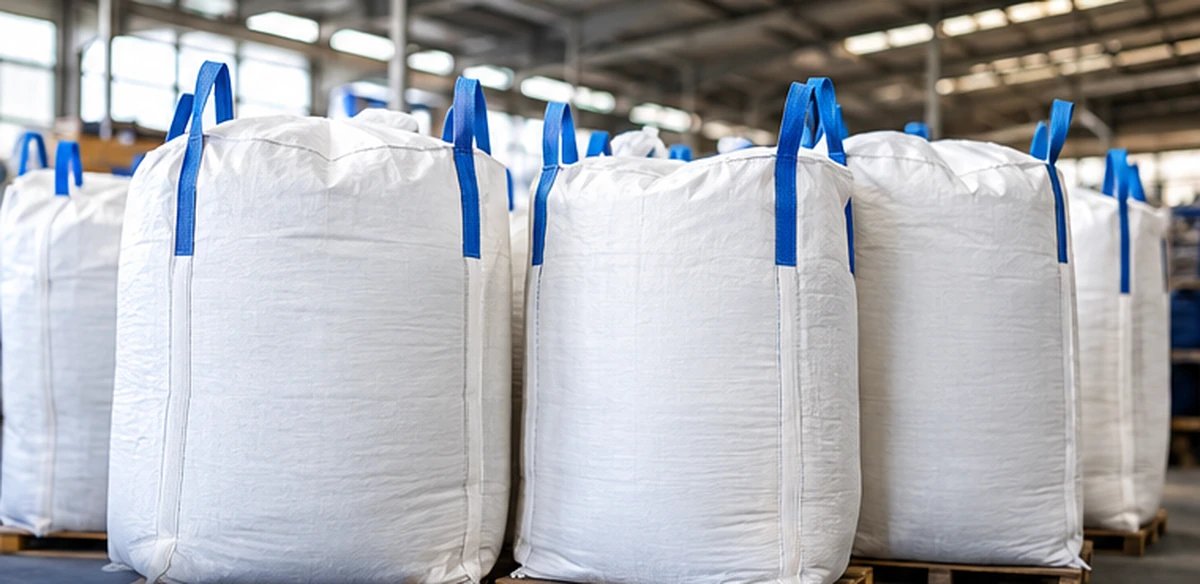
PRODUCT RANGEFIBC & PP Bag Types
Product formats and indicative selection notes. Final dimensions, safe working load, safety factor, certifications and construction must be confirmed against the approved product specification.
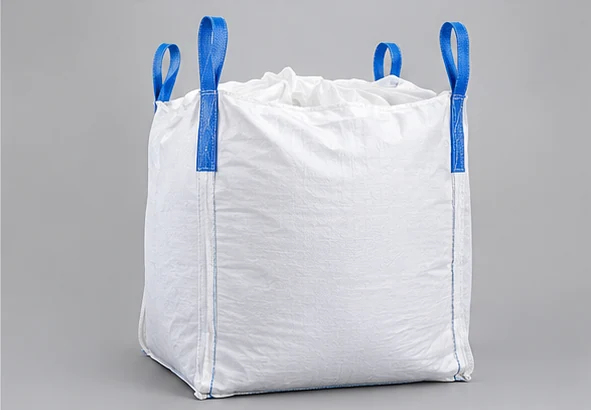
Standard U-Panel FIBC Jumbo Bag
Four-loop bulk bag format for dry, free-flowing bulk materials. Dimensions, fabric weight and closures can be configured to the application.
- Typical SWL: 1,000 kg (configuration-dependent)
- Safety factor: Commonly 5:1 single-trip; options by specification
- Construction: Woven polypropylene, 4 lifting loops
- Options: Filling spout or duffle top; discharge spout or flat bottom
Request specifications →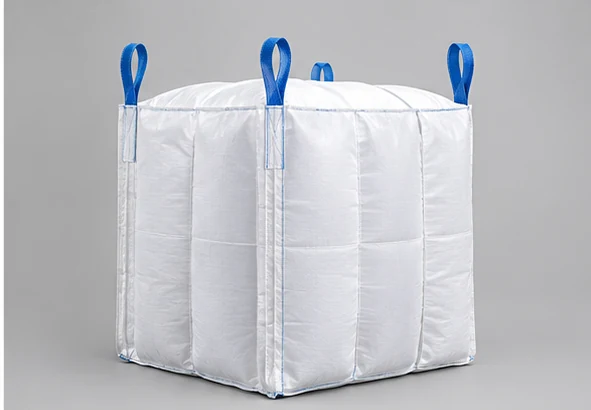
Form-Stable Baffle FIBC (Q-Bag)
Internal baffles help the filled bag retain a squarer footprint, supporting efficient container loading and storage.
- Typical SWL: 1,000–1,500 kg, subject to design
- Construction: Internal baffle panels with PP woven fabric
- Benefits: Reduced bulging; improved load stability
- Options: Liner, coated/uncoated fabric, top and bottom styles
Request specifications →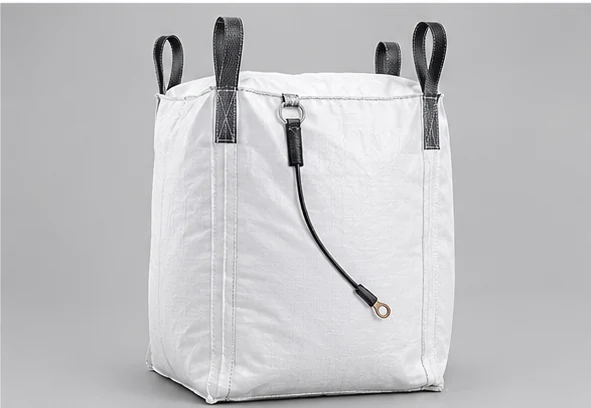
Conductive / Type C FIBC
Conductive fabric and grounding provisions for applications where electrostatic discharge control is required. Grounding procedures and use conditions must be followed.
- Use: Specified electrostatic-control environments
- Construction: Interwoven conductive yarns / grounding point
- Important: Must be properly grounded during filling and discharge
- Selection: Based on material, process and risk assessment
Request specifications →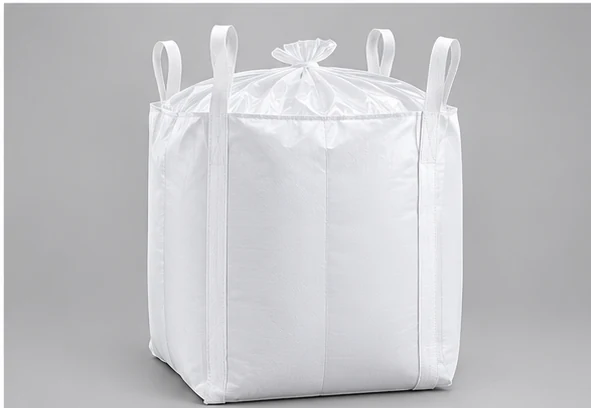
Food-Grade FIBC
Bulk bag options for food ingredients and sensitive materials, with cleanliness, liner and material requirements defined by the buyer’s application.
- Typical capacity: Application-specific; 1,000 kg formats common
- Options: Cleaned supply, liner, sift-proof seams
- Documentation: Food-contact declarations and compliance documents on request
- Selection: Confirm applicable food-contact requirements
Request specifications →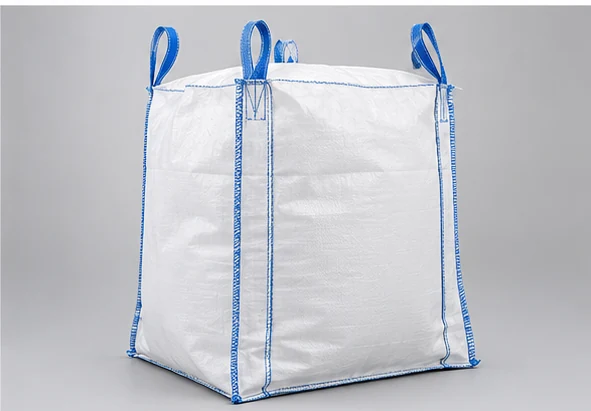
UN / Hazardous Goods FIBC Options
FIBC formats for regulated dangerous goods may be supplied subject to the required design, testing, marking and valid certification for the intended cargo.
- Capacity: Design and certification dependent
- Safety factor: Typically specified for intended transport use
- Compliance: Confirm UN design type, packing group and certificate before order
- Documentation: Test reports and traceability subject to availability
Request specifications →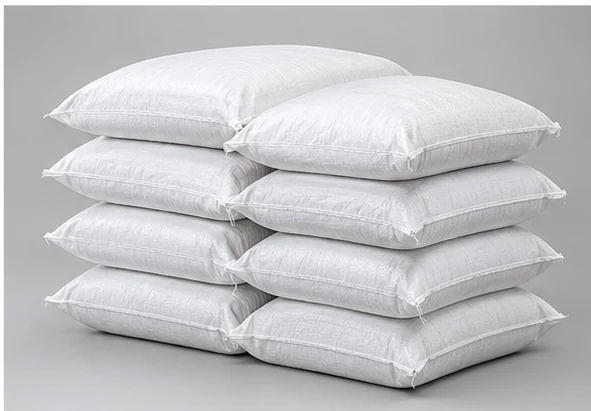
PP Woven Sacks
Woven polypropylene sacks for grains, fertilizers, minerals, chemicals and industrial materials in bagged formats.
- Common fill sizes: 25 kg / 50 kg options
- Construction: Woven PP fabric; coated or uncoated
- Features: Custom dimensions, printing and closure options
- Use: Agriculture, building materials and industrial packing
Request specifications →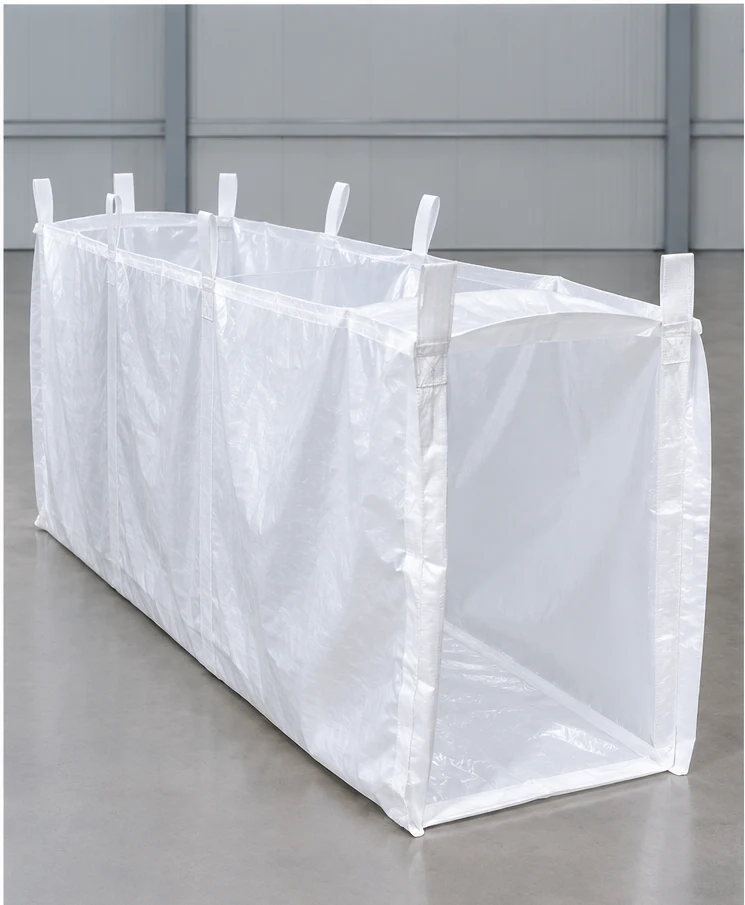
Container Liners
Flexible liners fitted inside shipping containers for transporting dry bulk cargo while helping isolate cargo from the container interior.
- Materials: PE film, woven PP or HDPE fabric options
- Common lengths: 20 ft / 30 ft / 40 ft and custom sizes
- Cargo examples: Resins, powders, grains, starch and other dry bulk
- Selection: Container dimensions, loading/discharge method and cargo compatibility
Request specifications →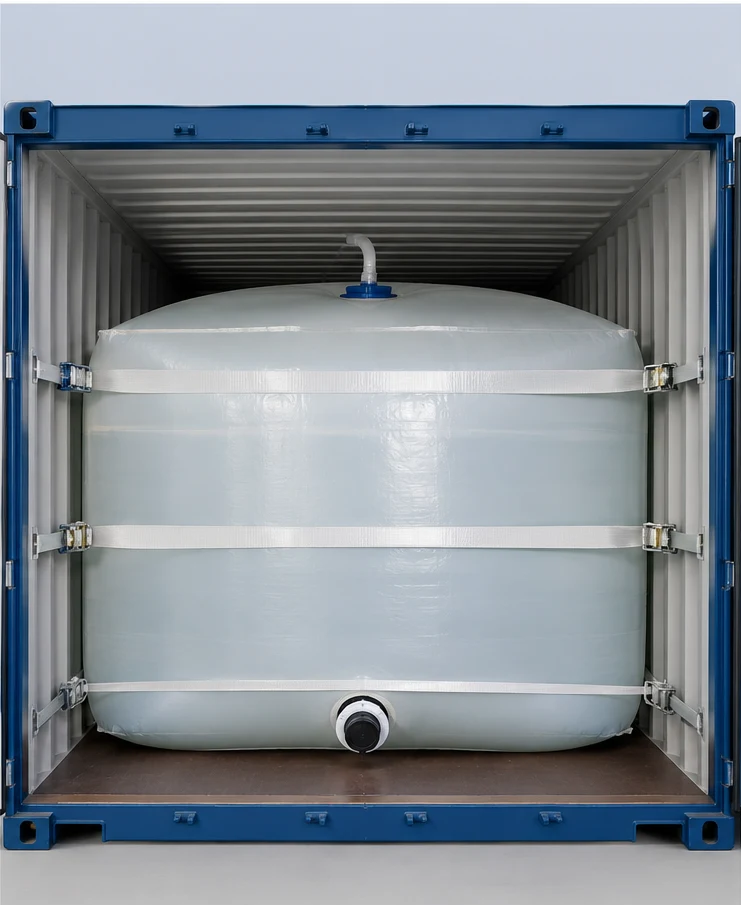
Flexitanks
Flexible liquid-bulk packaging systems designed for compatible non-hazardous liquids in containerized transport.
- Use: Liquid cargo in compatible shipping containers
- Components: Flexible tank, restraint/bulkhead system and valves
- Selection: Liquid compatibility, capacity, route and loading protocol
- Important: Use only with approved cargo, container and handling procedures
Request specifications →Dissipative / Type D FIBC
Static-dissipative FIBC fabric options designed for specific electrostatic-control applications. Suitability depends on product design, environment and risk assessment.
- Use: Specified electrostatic-control applications
- Construction: Dissipative fabric system; no grounding connection in typical Type D design
- Selection: Confirm product type and electrostatic hazard assessment
- Important: Do not substitute Type C and Type D; select for process conditions
Request specifications →